
Flowers That Press Best (And Ones That Don’t)
A Guide to Choosing Flowers for Preservation
If you’re hoping to preserve your wedding bouquet, the flowers you choose can have a big impact on how your keepsake looks years from now. While every bouquet can be transformed into something beautiful, some flowers naturally preserve better than others.
Understanding how different blooms react during the preservation process can help set realistic expectations and ensure you’re thrilled with the final result.
Flowers That Press Beautifully
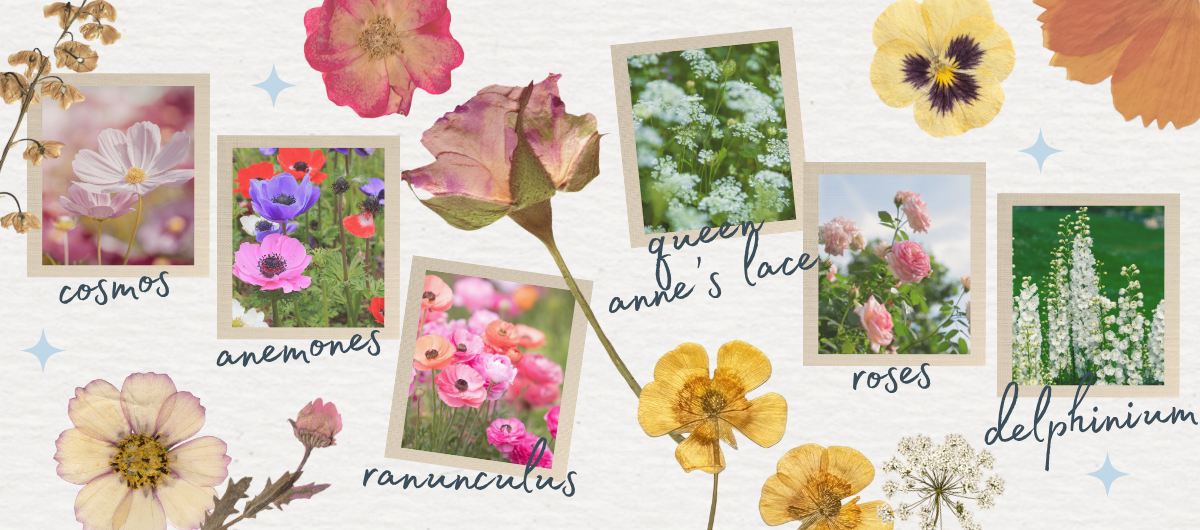
Some flowers are naturally well-suited for pressed flower preservation because they’re thinner, less water-dense, and don’t rely heavily on their three-dimensional structure to make an impact.
Some of our favourite flowers to work with include:
• Ranunculus
• Anemones
• Cosmos
• Delphinium
• Queen Anne’s Lace
• Roses
These flowers tend to hold their colour well, flatten nicely, and create beautiful detail in pressed artwork. They often become some of the standout features in a finished piece.
Medium Difficulty Flowers
Many popular wedding flowers can still be preserved beautifully but require a bit more skill and care during the pressing process.
These include:
• Coloured Roses (typically preserve better than white roses)
• Snapdragons
• Peonies
• Lisianthus
• Hydrangeas
While these flowers can produce stunning results, they may experience some colour shifts, changes in shape, or minor imperfections as they dry. Hydrangeas in particular can sometimes develop patchy brown areas depending on their maturity and moisture content.
Flowers That Don’t Typically Preserve Well
Some flowers are simply more challenging due to their moisture content, thickness, or delicate structure.
These include:
• Chrysanthemums
• White Flowers
• Orchids
• Dahlias
• Calla Lilies
• Sunflowers
Sunflowers are especially known for their petals bleaching during the preservation process, while white flowers often yellow or develop a vintage cream tone over time.
Other Tricky Flowers
Certain blooms present unique preservation challenges because they’re extremely water-heavy.
These include:
• Succulents
• Tropical Flowers
These flowers contain a significant amount of moisture, making them more prone to browning, mould, and structural changes during drying.
Common Changes You May See During Preservation
Flower preservation is a natural process, and every bloom reacts differently. Some common changes include:
• Browning or yellowing, especially in white flowers
• Petals becoming translucent
• Loss of structure or shape
• Uneven colour changes or bleaching
• Darkening of certain colours as flowers dry
These changes are completely normal and part of preserving a living thing. No two flowers — or bouquets — will preserve exactly the same way.
Why Professional Preservation Matters
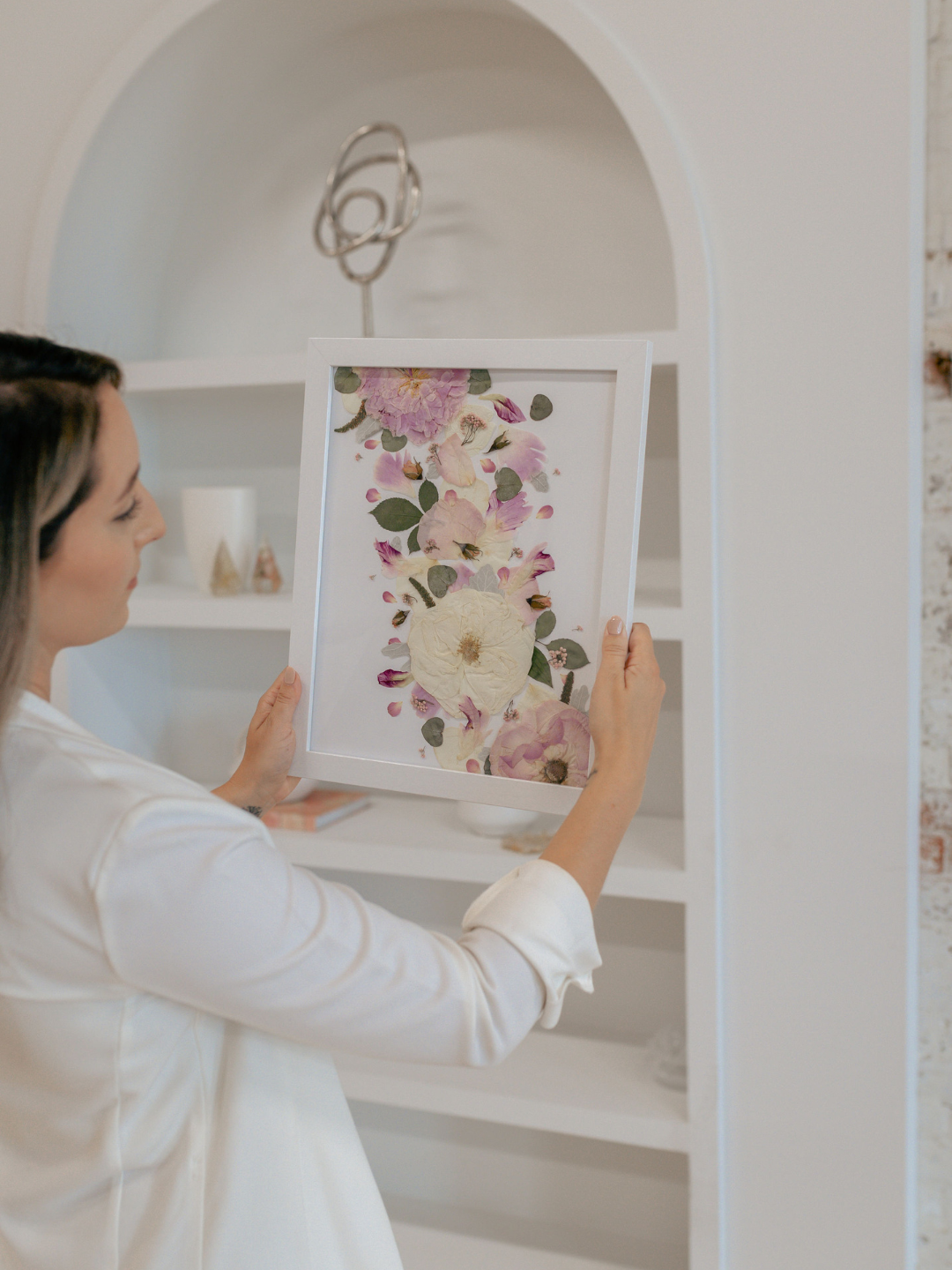
Professional flower preservation isn’t simply placing flowers in a press and waiting. Different flowers require different techniques, drying times, and handling methods to achieve the best possible result.
At Pressed in Time, we work with hundreds of bouquets every year and understand how each flower behaves throughout the preservation process. Our goal is always to showcase the beauty of your bouquet while preserving the memories attached to it.
The most important thing to remember is that flower preservation is about capturing the story of your wedding day, not creating a perfect replica. Sometimes the flowers that change the most end up adding the most character and beauty to the final artwork.
If you’re planning your wedding and wondering how your bouquet might preserve, we’d be happy to guide you through your options and help you choose the keepsake that’s right for you.